
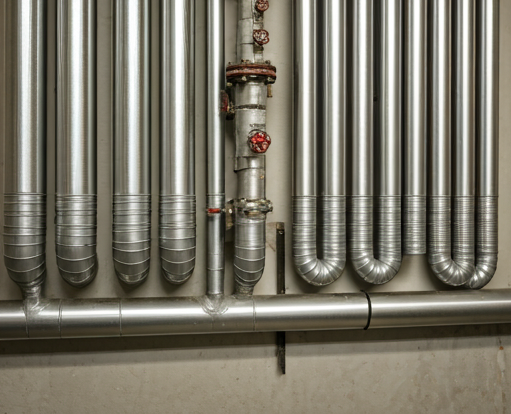
District heating systems, known in German as Fernwärmenetz, play a crucial role in providing sustainable and efficient heat supply to cities and industrial areas across Europe. These systems transport hot water or steam from a central energy source to residential, commercial, and industrial buildings. However, one of the most common and critical challenges in district heating networks is a Fernwärmenetz Leckage—a leakage in the heating network.
A leakage can lead to significant energy losses, high repair costs, environmental damage, and supply interruptions. In this article, we explore what a Fernwärmenetz Leckage is, why it occurs, how it is detected, and what effective prevention and repair solutions exist.
What Is a Fernwärmenetz Leckage?
A Fernwärmenetz Leckage refers to the unintended escape of hot water or steam from the pipes of a district heating network. These pipelines are often installed underground and operate under high temperature and pressure. Even a small leak can result in substantial heat loss and system inefficiency.
Because district heating networks are extensive and complex, identifying and resolving leaks quickly is essential for maintaining reliable and energy-efficient operation.
Common Causes of Fernwärmenetz Leckage
Understanding the causes of leakage is the first step toward prevention. The most common causes include:
1. Material Aging and Corrosion
Over time, pipes and insulation materials degrade due to:
- Thermal stress
- Chemical reactions
- Moisture exposure
Corrosion weakens pipe walls and increases the risk of leaks.
2. Installation and Construction Errors
Improper installation, poor welding, or low-quality materials can lead to early system failures. Small construction defects may remain unnoticed for years before developing into major leaks.
3. Ground Movement and External Stress
District heating pipes are affected by:
- Soil settlement
- Traffic loads
- Construction activities nearby
These external forces can damage pipes and joints, causing leaks.
4. Pressure and Temperature Fluctuations
Frequent changes in pressure and temperature create mechanical stress on pipelines. Over time, this stress can cause cracks or joint failures.
Risks and Consequences of a Fernwärmenetz Leckage
A leakage in a district heating network can have serious technical, financial, and environmental consequences.
Energy Loss and Reduced Efficiency
Leaking hot water or steam results in:
- Significant heat loss
- Increased energy production demand
- Higher operating costs
This directly reduces the overall efficiency of the heating system.
Infrastructure Damage
Escaping hot water can damage:
- Surrounding soil
- Roads and pavements
- Nearby underground infrastructure
In severe cases, it can lead to surface collapses or safety hazards.
Environmental Impact
District heating systems are designed to reduce carbon emissions. However, uncontrolled heat and water loss increases energy consumption, undermining sustainability goals.
Service Disruptions
Major leaks may require:
- Emergency shutdowns
- Temporary heat supply interruptions
- Customer dissatisfaction and reputational damage
How Fernwärmenetz Leckage Is Detected
Early detection is critical to minimizing damage and costs. Modern district heating operators use several advanced methods to identify leaks.
1. Monitoring and Control Systems
Most modern Fernwärmenetze are equipped with:
- Pressure monitoring
- Temperature sensors
- Flow rate analysis
Sudden changes in these parameters often indicate a leak.
2. Acoustic Leak Detection
Special sensors detect sound waves caused by escaping water or steam. This method is particularly effective for underground pipelines.
3. Thermal Imaging
Infrared cameras can identify unusual heat patterns on the ground surface, helping locate leaks without excavation.
4. Moisture Detection Systems
Many pre-insulated pipes include built-in moisture detection wires that provide early warnings of insulation damage and leakage.
Repair and Mitigation Strategies
Once a Fernwärmenetz Leckage is detected, quick and professional action is essential.
Emergency Measures
- Isolating the affected pipeline section
- Reducing system pressure
- Ensuring public safety
These steps help prevent further damage.
Targeted Excavation and Repair
Modern repair strategies focus on:
- Precise leak localization
- Minimal excavation
- Replacement or sealing of damaged sections
This reduces repair time and disruption.
System Modernization
In aging networks, repeated leaks may indicate the need for:
- Pipe replacement
- Upgraded insulation
- Improved monitoring systems
Modern materials significantly reduce future leakage risks.
Preventing Fernwärmenetz Leckage
Prevention is always more cost-effective than emergency repair. Key preventive measures include:
- Regular inspection and maintenance
- Use of high-quality, corrosion-resistant materials
- Installation of advanced monitoring systems
- Data-driven predictive maintenance
A proactive approach can extend the lifespan of a district heating network by decades.
The Role of Digitalization and Smart Heating Networks
Smart technologies are transforming how Fernwärmenetz systems are managed. Digital monitoring allows operators to:
- Detect leaks earlier
- Analyze long-term performance data
- Optimize pressure and temperature levels
- Reduce operational costs
Smart district heating networks are a key component of future sustainable cities.